
– Primary Residence · Île de Ré –
Living on the Île de Ré Year-Round
Contrary to popular belief, Île de Ré isn’t just a summer destination. Its ten municipalities are home to more than 18,000 year-round residents and offer a wide range of services: schools, a middle school, shops, sports facilities, medical services, and a vibrant network of community organizations.
Thanks to its close proximity to La Rochelle and the rise of remote work, more and more families and working professionals are now choosing to settle there permanently.
• 18,271 residents spread across 10 municipalities.
• 61% of the housing stock consists of second homes.
• Nearly 80% of home purchases are for second homes.
• The average price of a home on the island exceeds €8,000 per square meter.
110 km
bike paths
12 months
The Île de Ré is inhabited and bustling year-round
18,000
permanent residents
– A Land of Exception –
Why the Île de Ré
Is a Place Like No Other
A jewel of the Atlantic facing La Rochelle, Île de Ré is more than just a summer postcard: it’s a vibrant, inhabited place where 18,000 permanent residents keep the island’s heart beating all year round.
With a mild microclimate, ten villages connected by 100 km of bike paths, schools, local shops, year-round markets, and a vibrant community life, people here build a real daily life—not just vacation memories.
Settling on Île de Ré year-round means choosing a way of life that’s rare in France: the sea as your daily horizon, protected nature as your backyard, and a close-knit community where you can truly thrive.
5
Municipalities have schools
Preschools and elementary schools are located throughout the island, and there is a middle school in Saint-Martin: the school system is organized locally, without relying on the mainland.
25 min.
La Rochelle
The TGV station, university hospital, university, and job market are all accessible via the bridge: the entire metropolitan area is within easy reach.
365 days
shops that are open
Bakeries, markets, healthcare providers, and local services operate year-round, not just during certain seasons.

– Peace of Mind –
One of the safest regions in France
The toll bridge: a single controlled land access point
Since 1988, the Île de Ré has been connected to the mainland by the Île de Ré Bridge. This is the only land access route, and it is a toll bridge. The bridge naturally limits the flow of traffic in and out of the island, making it structurally safer.
Charente-Maritime is among the departments with the lowest crime rates
Charente-Maritime is one of the departments with the lowest crime rates and ranks well below the national average.
Community and a strong social fabric
The Île de Ré is a small, close-knit community where everyone knows each other. This sense of community is a recognized factor in safety. Neighbors naturally look out for each other’s homes, businesses, and residents. Permanent residents keep the local community active even during the off-season.
– All year round –
The Île de Ré in Every Season
Living on the island year-round means experiencing four different islands as the seasons change.

Spring
Hollyhocks are blooming along the narrow streets, children are riding their bikes to school again, and the markets are coming to life. The mild weather is back—without the crowds.
Summer
The high season transforms the island: night markets, packed outdoor cafes, and sunshine until 10 p.m. For permanent residents, it’s a time of excitement shared with visitors—before they get to enjoy their island again come fall.
Fall
The Rétans’ favorite season. Low-angled sunlight over the marshes, spectacular storms, restaurants welcoming back their regulars. The island once again becomes, in every sense, the island of those who live there.
Winter
A mild winter (temperatures rarely drop below 5°). Sunday markets, crackling fires, deserted beaches bathed in the salty sea breeze. Local life goes on, peaceful and authentic—the true face of the island year-round.
– Accessibility –
Preserved but accessible
The Île de Ré is no ordinary destination. Protected by strict environmental regulations that limit new construction, its land is inherently scarce. This structural scarcity drives long-term appreciation of property value—a feature few French real estate markets can claim.
Here, second homes account for nearly 60% of the housing stock. Owning a pied-à-terre on Île de Ré means joining a community of lovers of this region who pass their properties down from generation to generation.
20–30 minutes from La Rochelle: TGV station, university hospital, university, jobs
Pont de Ré: 3 km, the only land access since 1988
The toll limits traffic and protects the island's tranquility
La Rochelle Airport, 15 minutes away — domestic and European flights
– EXPLORE THE ISLAND –
10 villages, 10 souls
Every village on the Île de Ré has its own atmosphere, market, and beaches—find the one that captures your heart

SAINTE-MARIE
0 BIEN
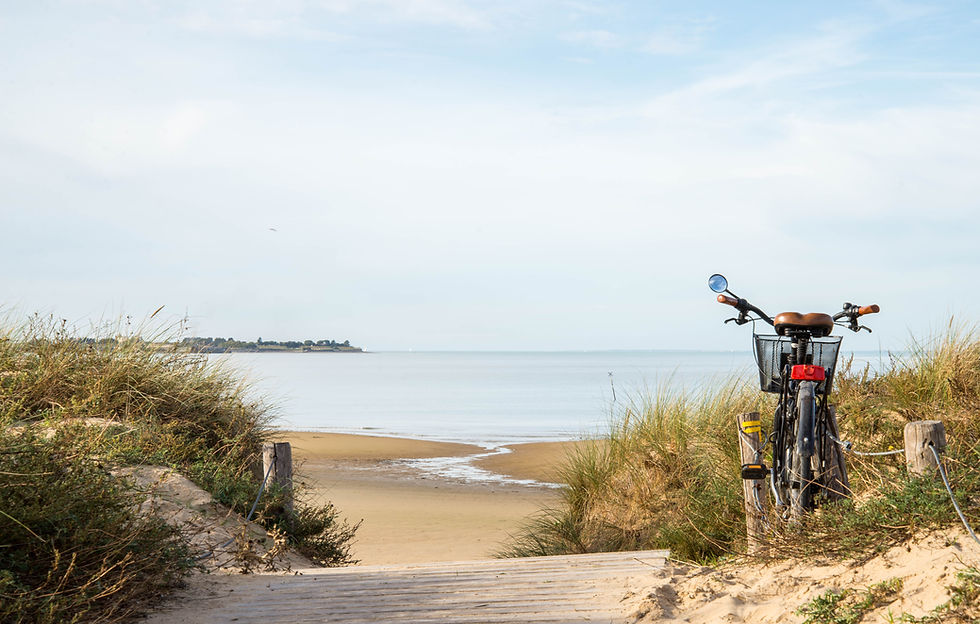
RIVEDOUX-PLAGE
0 BIEN

LAWS
0 BIEN

THE DOORS
0 BIEN

LA COUARDE
0 BIEN
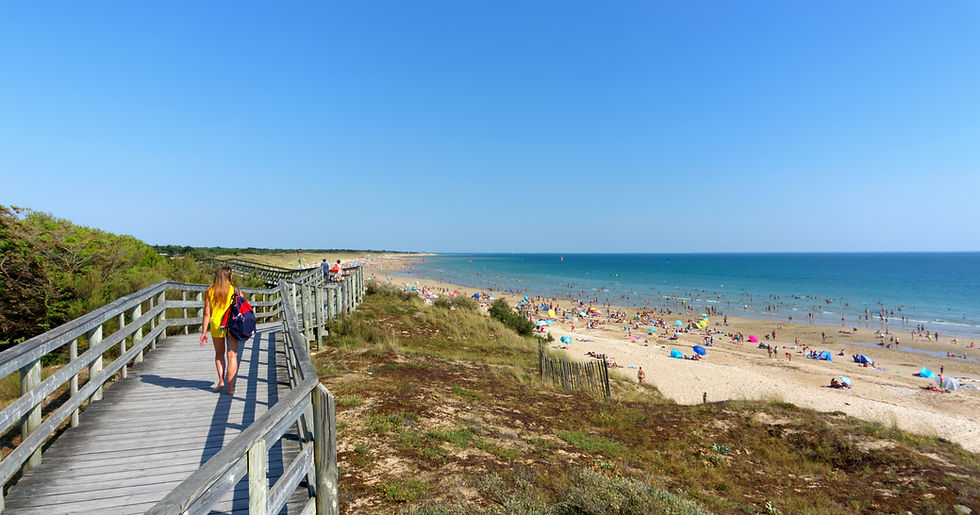
LE BOIS-PLAGE
0 BIEN

SAINT-CLÉMENT
0 BIEN

ARS-EN-RÉ
0 BIEN
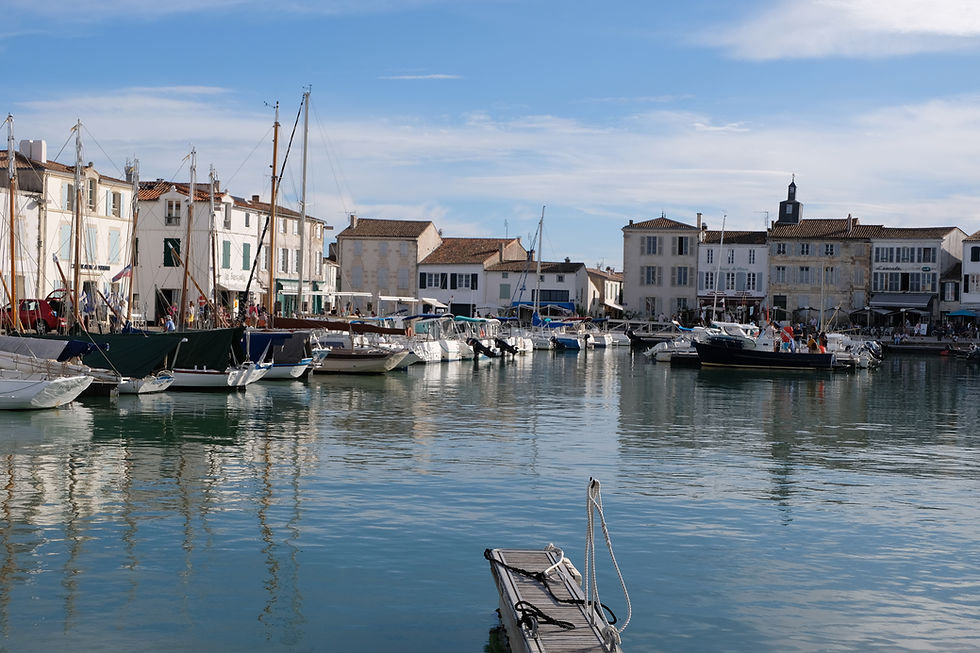
THE FLEET
0 BIEN

SAINT MARTIN
0 BIEN
WHAT YOU NEED TO KNOW BEFORE BUYING YOUR PRIMARY RESIDENCE
The primary residence enjoys favorable tax treatment: exemption from the housing tax since its widespread elimination in 2023, and, most importantly, total exemption from capital gains tax upon resale, regardless of the amount of the gain or the length of ownership. In a market as high-value as that of Île de Ré, this advantage is a decisive factor for a long-term investment.
Yes. The Île de Ré has preschool and elementary schools located throughout its municipalities and a middle school in Saint-Martin-de-Ré. High schools and colleges are located in La Rochelle, 20 to 30 minutes away via the bridge. Families enjoy a safe environment, sustainable transportation options, and an active local community all year round.
The local economy is based on tourism, oyster farming, viticulture, crafts, commerce, and services. Many residents work in La Rochelle, 20 to 30 minutes away, or telework thanks to the now widespread fiber optic network coverage. Living here year-round offers the best of both worlds: the island lifestyle and access to a metropolitan job market.
The island has more than 100 kilometers of bike paths connecting homes, schools, shops, and markets—all car-free. The Ré Bridge provides access to the mainland, with a discounted rate for permanent residents. La Rochelle, its employment areas, and its TGV station are accessible in 20 to 30 minutes.
The real estate market on Ré is tight, characterized by a high proportion of second homes and a supply limited by urban planning restrictions. Buying a primary residence requires quick action and local guidance to gain access to properties, sometimes before they are publicly listed. This structural scarcity supports sustainable asset appreciation.
For year-round living, towns with shops and services that remain open during the off-season—such as Saint-Martin-de-Ré, La Flotte, and Sainte-Marie-de-Ré—offer the greatest convenience in daily life. The villages in the north, which are less well-known, appeal to those seeking peace and quiet. The choice depends on the desired balance between activity, proximity to the bridge, and tranquility.